


 English
 Spanish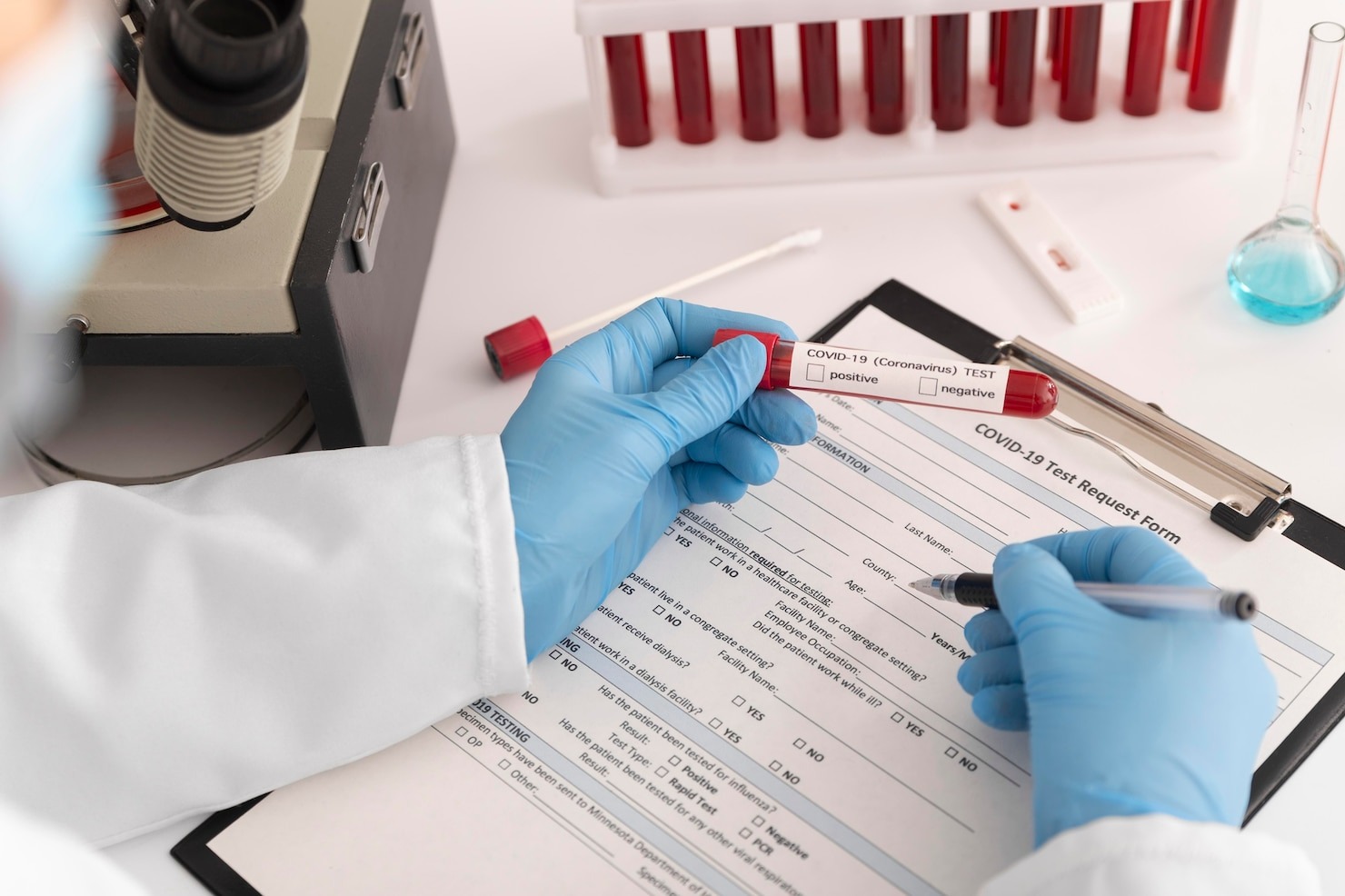
Embark on a journey through the intricate world of laboratory diagnostics, where each test result is the culmination of a meticulous, multi-step process. From the initial sample collection to the final verification, understand how quality control ensures accurate results. Let’s explore the anatomy of a lab result together.
Understanding the Specimen
The foundation of any lab test lies in the specimen itself. Understanding what constitutes a specimen, its various forms, and the critical importance of its integrity is paramount. Healthcare decisions rely heavily on the accurate analysis of these specimens, making proper sample management essential.
What is a Specimen?
A specimen, in the context of lab tests, refers to the sample collected from a patient for analysis. This type of sample can range from a blood sample to urine, tissue, or other bodily fluids. The nature of the specimen dictates the specific lab equipment and protocols used to ensure accurate and reliable results. Specimens must have a unique identifier.
Types of Specimens in Lab Tests
Various lab tests require different types of specimens. A blood test typically involves collecting a blood sample, while a urine sample is necessary for urinalysis. Other specimens might include swabs, biopsies, or cerebrospinal fluid. The type of sample collected directly impacts the subsequent sample preparation and analysis methods used by laboratory technicians.
Importance of Sample Integrity
Maintaining sample integrity is crucial for obtaining accurate results. Factors such as temperature control, proper handling, and adherence to protocols are essential from sample collection to analysis. Compromised sample integrity can lead to inaccurate test results, potentially impacting patient care and the healthcare provider’s interpretation of the results. This is where quality control begins.
The Process of Sample Collection
The process of sample collection is a critical step in obtaining accurate and reliable lab results. Adhering to best practices and established protocols during specimen collection is paramount to ensure sample integrity. Healthcare providers, phlebotomists, and laboratory technicians must all be diligent in following these guidelines.
Best Practices for Proper Sample Collection
Proper sample collection is crucial, and several best practices should be followed. These include:
- Verifying patient identity
- Using appropriate collection containers
- Adhering to established protocols
Proper sample collection ensures that the specimen is representative of the patient’s condition, minimizing the risk of erroneous test results. The chain of custody must also be maintained through the laboratory information system.
Blood Sample Collection Techniques
Blood sample collection, often performed by a phlebotomist, requires specific techniques to minimize patient discomfort and ensure sample quality. These techniques involve selecting appropriate venipuncture sites, using proper equipment, and following established protocols for blood draw. Attention to detail during blood sample collection is essential for accurate lab tests.
Protocols for Specimen Collection
Strict adherence to specimen collection protocols is vital for maintaining sample integrity and ensuring accurate results. These protocols outline the steps involved in collecting, labeling, and transporting specimens, including specific requirements for different sample types. Consistent application of these protocols is a cornerstone of quality control in the laboratory information management system (LIMS).
Ensuring Sample Integrity
Ensuring sample integrity is crucial, as it directly impacts the reliability of test results and subsequent healthcare decisions. Temperature control, proper handling, and adherence to established protocols are essential for maintaining sample integrity throughout the entire process. The integrity of the specimen from sample collection to analysis is paramount for achieving accurate results. Sample management must be diligent.
Factors Affecting Sample Integrity
Several factors can affect sample integrity, including improper sample collection techniques, inadequate sample storage conditions, and delays in sample processing. These factors can compromise the integrity of the specimen, leading to inaccurate test results and potentially impacting patient care. Quality control measures must address these potential sources of error. The chain of custody should also be monitored.
Sample Storage Conditions
Appropriate sample storage conditions are essential for preserving sample integrity. Different sample types may require specific temperature control and storage protocols to prevent degradation or contamination. Failure to adhere to these guidelines can compromise the integrity of the specimen and affect the accuracy of lab test results, leading to misdiagnosis or improper interpretation of the results by the healthcare provider.
Common Issues in Sample Management
Common issues in sample management can compromise sample integrity. These issues include:
- Mislabeling
- Contamination
- Improper handling
Addressing these challenges requires robust laboratory information systems, standardized protocols, and ongoing training for laboratory technicians. The goal is to maintain sample integrity and ensure accurate and reliable test results, which are critical for patient care.
The Role of Laboratory Technicians
Laboratory technicians play a vital role in ensuring the accuracy and reliability of lab tests. From sample collection to analysis, these professionals are responsible for adhering to protocols and maintaining quality control standards. Their expertise is essential for producing accurate results that healthcare providers rely on for patient care. The laboratory information system is a key tool.
Responsibilities of Laboratory Technicians
The responsibilities of laboratory technicians encompass a wide range of tasks, including specimen collection, sample preparation, instrument operation, and quality control. Laboratory technicians must meticulously follow established protocols to ensure the integrity of each sample and the accuracy of test results. Their diligence is vital for the proper interpretation of the results and effective patient management.
Training and Protocol Adherence
Adequate training and strict protocol adherence are crucial for laboratory technicians to perform their duties effectively. Proper training ensures that they are competent in sample collection techniques, instrument operation, and quality control procedures. Adherence to protocols minimizes the risk of errors and ensures the reliability of test results. The healthcare provider relies on the accuracy of this data.
Importance of a Management System
The importance of a robust management system in laboratory operations cannot be overstated. A well-designed management system ensures that all processes, from sample collection to final verification, are standardized and controlled. It facilitates efficient sample management, minimizes errors, and ensures the integrity of test results, thereby supporting quality control and patient safety in the healthcare setting.
From Sample to Results: The Verification Process
Steps in the Laboratory Workflow
The laboratory workflow begins when a sample is collected, initiating a series of precise steps to produce a test result. The initial stage involves sample preparation, where the specimen, be it a blood sample or urine, undergoes necessary treatments. These treatments ensure it is compatible with the lab equipment. Laboratory technicians follow established protocols to maintain sample integrity throughout the process. All data is tracked in the laboratory information system.
Quality Checks and Final Verification
Quality control is paramount during the sample to results phase. Laboratory technicians conduct rigorous quality control checks. These checks validate instrument calibration and reagent performance to ensure accurate results. A pathologist reviews the findings, ensuring the interpretation of the results aligns with clinical expectations. The management system aids in maintaining these checks.
Communicating Test Results Effectively
Effective communication of test results is essential for informed healthcare decisions. The healthcare provider receives a detailed report, outlining the findings and their clinical significance. Clear and concise reporting ensures accurate results are understood and acted upon. This communication loop supports optimal patient care. Following protocols and adhering to best practices helps maintain accurate and reliable information.
Conclusion
Summary of Key Steps in the Process
In summary, the journey from sample collection to final test result involves several key steps. These steps include specimen collection, sample preparation, rigorous testing, and quality control measures. The laboratory information system ensures traceability and accountability. Adhering to protocols and best practices guarantees accurate results that support healthcare decisions. Proper sample collection can improve testing.
Encouraging Best Practices in Sample Management
To enhance the reliability of lab tests, encouraging best practices in sample management is essential. This involves training laboratory technicians on proper specimen collection techniques. It also includes ensuring adherence to sample storage protocols. Proper handling and temperature control are also important for maintaining sample integrity. A robust laboratory information management system can also support these efforts.
Next Steps for Lab Professionals
For lab test professionals, continuous education and training are vital for staying updated on evolving protocols and technologies. Implementing a comprehensive quality control program and leveraging laboratory information systems can improve accuracy. Promoting adherence to best practices in specimen collection and sample management ensures reliable and accurate results. This supports better healthcare outcomes from collecting samples.
FAQs
What is the importance of sample integrity?
Maintaining sample integrity is paramount for generating accurate results in lab tests. When a specimen, such as a blood sample or urine, is compromised due to improper temperature control or handling, it can lead to erroneous test results. These inaccuracies can misguide the healthcare provider’s interpretation of the results, impacting patient care. Proper sample collection will maintain sample integrity.
How can I ensure proper sample collection?
Ensuring proper sample collection involves several best practices. These practices include the following important steps:
- Verify patient identifiers to avoid mix-ups.
- Use the correct sample collection containers and follow established protocols.
Third, adhere to specific guidelines for different specimen types, such as blood samples or urine. The chain of custody is essential. Training laboratory technicians is vital for accurate and reliable results.
What are the common challenges in sample management?
Common challenges in sample management include mislabeling specimens, sample contamination, and inadequate temperature control. Delays in processing sample types, improper handling, and lack of adherence to protocols can also compromise sample integrity. Addressing these challenges requires a robust laboratory information management system (LIMS), strict quality control, and continuous training for laboratory technicians.
What protocols should laboratory technicians follow?
Laboratory technicians must follow rigorous protocols for specimen collection, sample preparation, and analysis to ensure accurate results. These protocols outline specific steps for each lab test, including sample storage conditions, instrument calibration, and quality control checks. Adherence to these protocols ensures sample integrity and minimizes errors, aiding in accurate and reliable testing, which is vital to healthcare.
How do lab results get verified before reporting?
Lab test results undergo a multi-step verification process before reporting. Laboratory technicians initially conduct quality control checks to validate instrument performance. Then, a pathologist reviews the findings, correlating them with patient data and clinical context. The healthcare provider then gets the results. Discrepancies are investigated to ensure accurate results before final approval and reporting, promoting quality control and sample integrity.